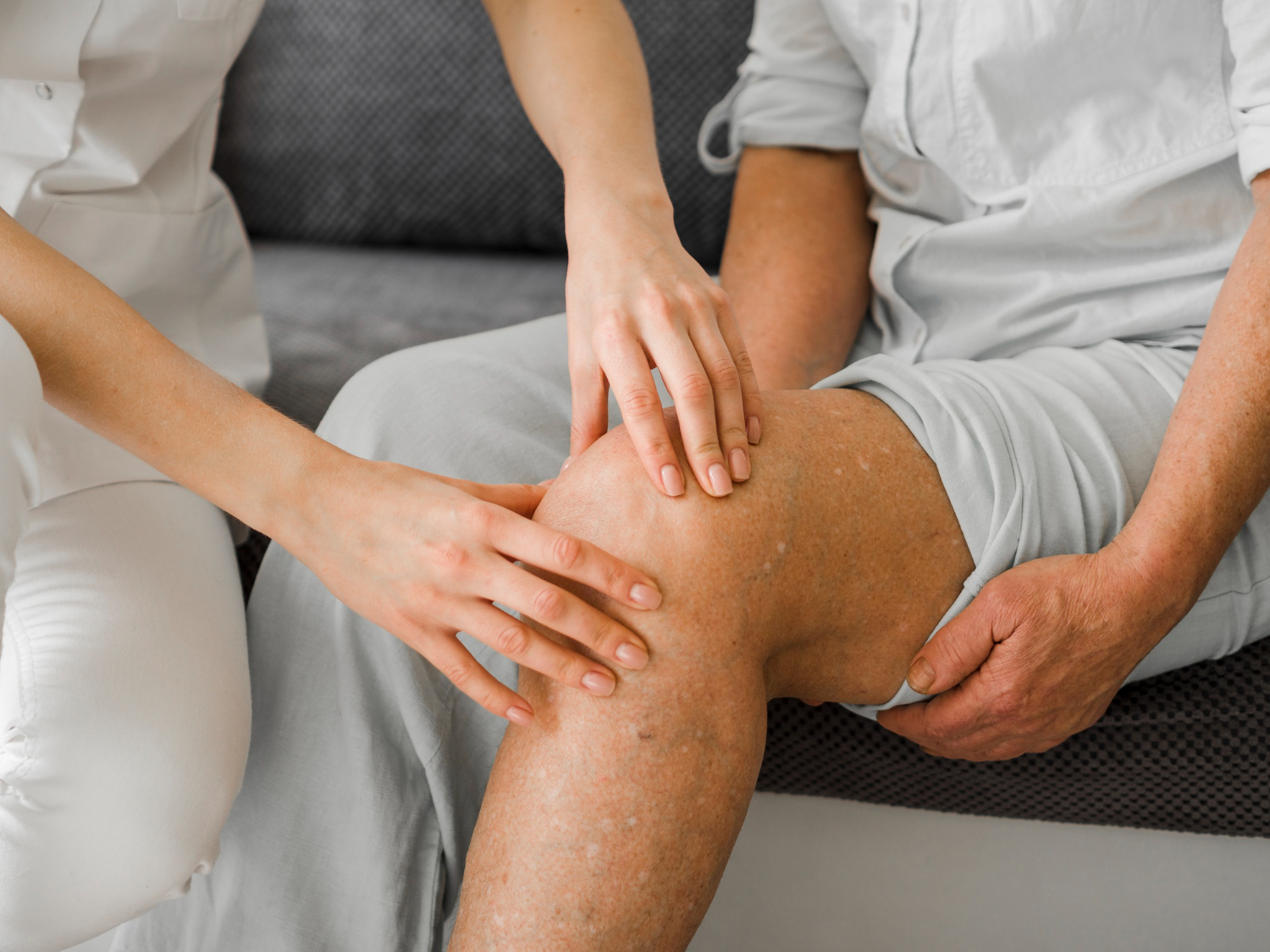
Leg Vein Treatment Options Locals Ask About Most in Winter
Winter tends to bring out conversations we put off during busier months, including ones about how our legs have been feeling. If you’ve been noticing soreness, heaviness, or visible veins lately, you're not the only one. Around this time of year, a lot of people begin asking about leg vein treatment while they’re bundled up indoors. Long pants and quieter routines make it easier to think about getting things taken care of, especially when spring feels just around the corner.
We understand how confusing it can be to figure out which treatment might help and when to start. So we’ve gathered the questions and options that come up most during winter to help you feel more informed as you think through your own next steps.
Why Winter Is a Popular Time to Ask
It might not be the first thing that comes to mind, but winter is actually a good time to start looking into leg treatments.
• Colder weather means you’re probably wearing layers, which can help cover up any bruising or marks while your skin heals.
• Compression socks, often part of the healing process, are easier to wear when it’s chilly out. You’ll stay more comfortable and more likely to keep them on.
• Since many people slow down a bit in winter, it’s a good time to recover without having to shuffle big plans or activities.
Timing is personal, but if you’ve been curious about starting something, now can be an easier season to ease into it.
Common Symptoms That Lead to Treatment Questions
Most people don’t ask about leg vein treatment just because they see a visible vein. It’s usually about
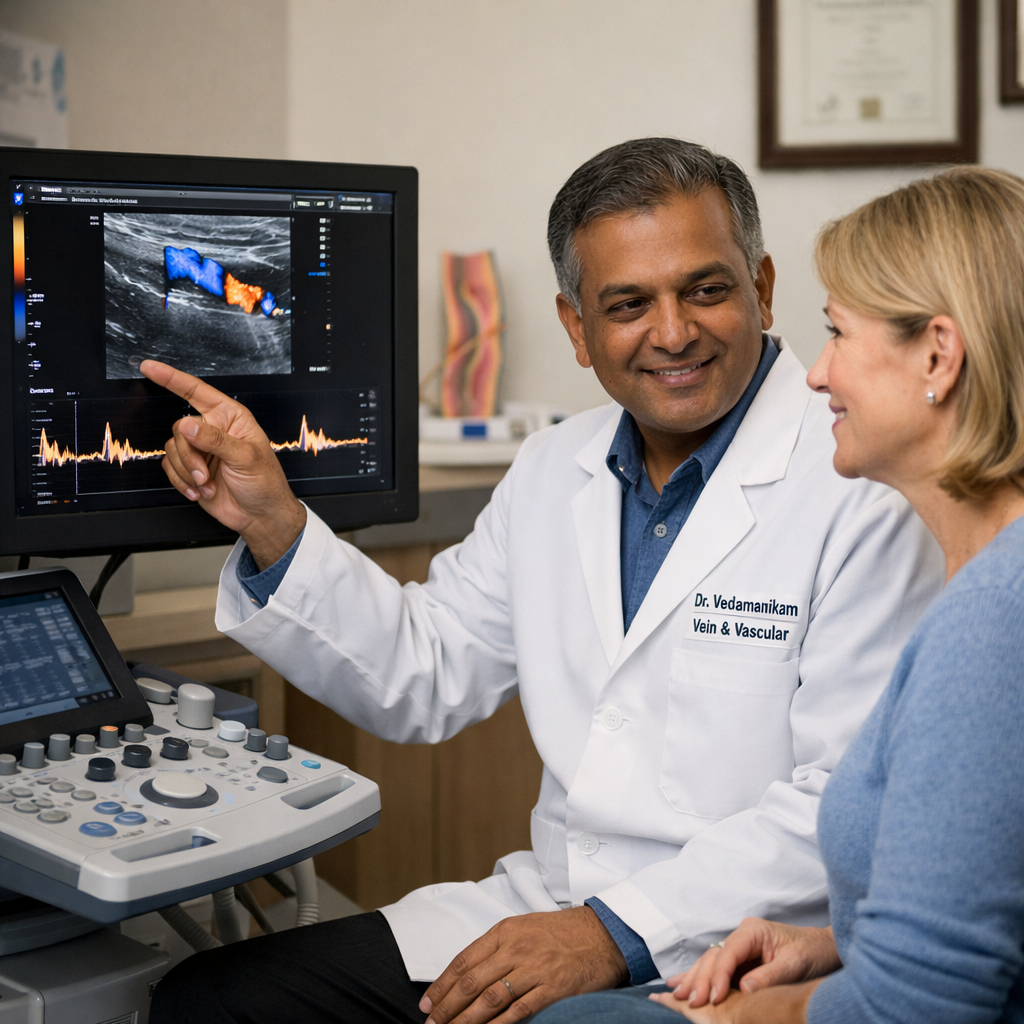
how their legs feel.
• Achiness or heaviness by the end of the day is one of the first signs people bring up.
• Legs that feel sore or crampy after long periods of standing can also turn into swelling around the ankles.
• Dry or itchy spots near veins may show up, which can be a clue that blood flow isn’t moving as smoothly as it should.
If these patterns sound familiar, it may be a good time to take a closer look. These symptoms might seem small on their own but often point to bigger circulation issues just below the surface.
Minimally Invasive Treatment Options People Often Choose
One reason more people are asking about treatment in winter is that many of today’s options don’t involve surgery or long recovery periods.
• Sclerotherapy is a common choice. It involves a series of small injections that help close off unwanted veins.
• Endovenous procedures use light or heat from inside the vein to seal it shut.
• Both types are typically done in a clinic and most people are up and walking later that day.
At Vein and Vascular in Las Cruces, all procedures are performed by board-certified vein specialists and are designed as outpatient treatments, allowing you to return home the same day with minimal downtime. Insurance plans including Medicare and Medicaid are accepted for most vein treatments.
A big plus is that compression socks are usually worn afterward, which makes winter the ideal time to start. You’re probably already wearing warmer clothes and moving a little less, which naturally supports a gentler recovery.
What to Expect with Healing and Follow-Up
Recovery looks a little different for each person, but in most cases, it doesn’t interrupt daily life too much.
• Soreness, mild bruising, or a tight feeling near the treated area is common for a few days to a couple of weeks.
• Light walking, just around the house or for short stretches outside, helps your body adjust and keeps blood flowing the right way.
• Follow-up visits can show whether everything is working as expected and if blood is staying out of treated veins.
Even when a treatment goes well, touchpoints afterward are helpful for making sure the results are lasting and comfortable.
Questions Locals in Las Cruces Often Ask in Winter
We’ve heard many of the same questions come up year after year once January rolls in. If you're wondering these things too, you're in good company.
• "Is now a good time to start treatment even if I'm less active?" Winter can work in your favor. Lower activity levels often mean less disruption during healing.
• "Can I drive myself home after the procedure?" It depends on the type of treatment, but many procedures allow for a return home without much downtime.
• "How long will I need to wear compression socks after it’s done?" In most cases, socks are worn for a short stretch after treatment, especially in the first week or two.
• "If I’m planning a warm-weather trip in spring, will I be healed in time?" Many treatments done in winter leave plenty of time to feel better before spring arrives.
When spring plans are already on the calendar, starting earlier can give you a head start toward feeling more relaxed and ready for those outings.
Plan for Comfort and Better Leg Health
Having questions about your legs gear up in winter makes a lot of sense. Life tends to slow down, layers give your skin time to quietly recover, and it’s easier to notice the signs your body’s been sending. Planning ahead now could mean feeling more comfortable by the time shorts and sandals feel right again.
Taking care of leg symptoms gives you more than cosmetic comfort. When your legs feel lighter and less sore, daily movement gets easier too. Whether you're out walking the dog in the neighborhood or just standing for longer stretches in line at the store, small changes in how your legs feel can add up in ways that touch every part of your winter routines.
Many people use the winter months to rest and address discomfort before spring’s busy pace returns. Our approach to leg vein treatment is simple, personalized, and supportive, ensuring you feel comfortable at every step. At Vein and Vascular, we take your concerns seriously and guide you toward the solutions that make the most sense for your legs. Contact us today to schedule your visit.
