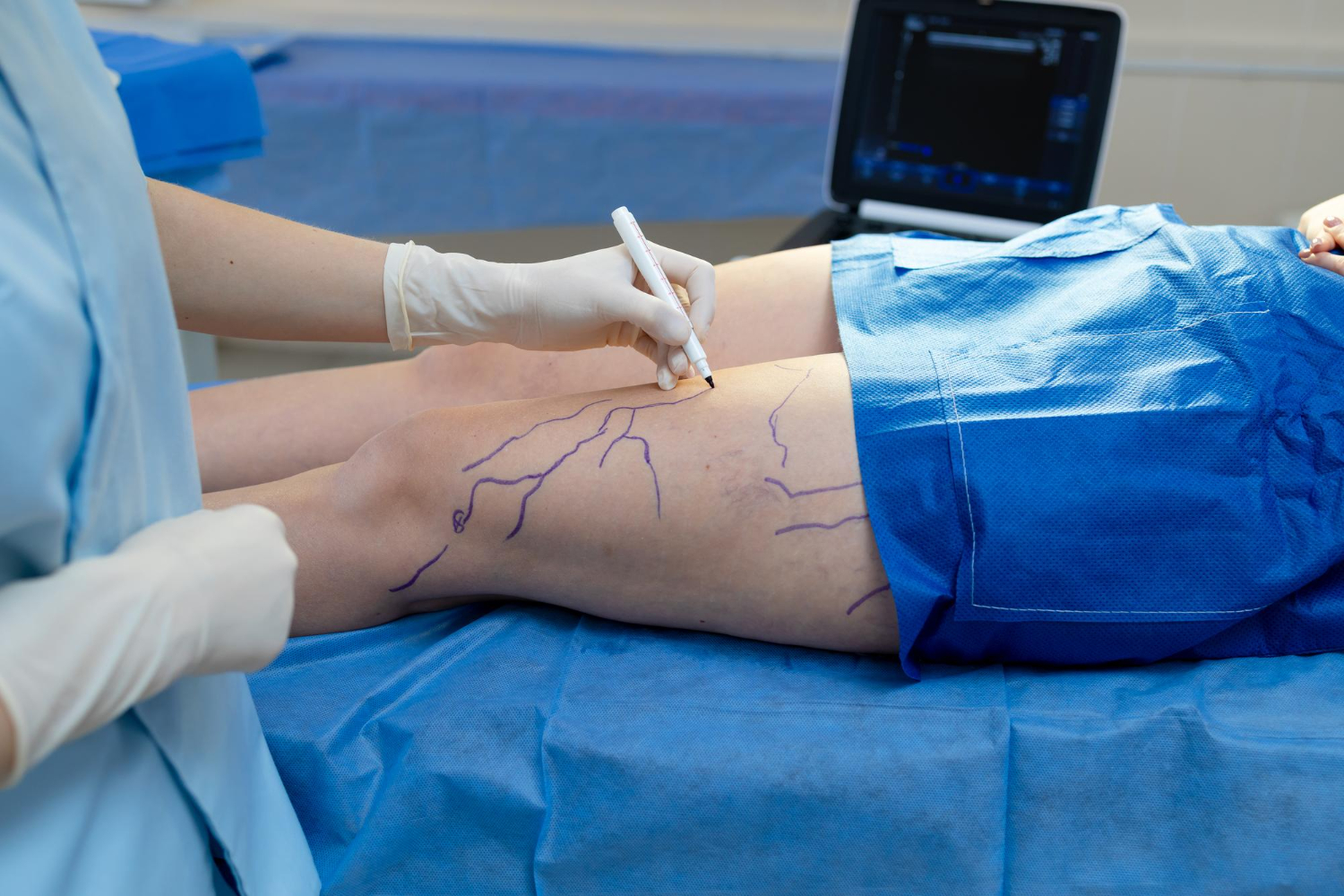
What Happens During Leg Vascular Surgery Step by Step
If you’ve been told you may need leg vascular surgery, it’s okay to feel nervous or unsure. Questions often come up about what the day will be like, how you’ll feel after, and what recovery looks like. That’s completely normal. Sometimes just understanding what happens can make everything feel more manageable.
We’ve put together a simple, step-by-step look at how leg vascular surgery usually goes. Summer can be a convenient time to plan treatment if you have a more flexible schedule and can allow time for rest and recovery. Planning ahead may help make the healing process feel more comfortable and manageable.
While these feelings are common, many people feel more confident simply knowing what to expect at each stage. Anxiety can often be eased by clear information and a straightforward outlook on the process.
Getting Ready for Your Procedure
Before any surgery happens, there’s a short list of important things to do. These small steps help keep everything safe and smooth.
We begin with a few check-ups or imaging scans to see exactly what’s going on inside your legs
We’ll share clear instructions, like what to eat or drink the night before and if any medicines need to be skipped
Wearing something loose and comfy can help on the day of surgery
The day before is a good time to ask any last-minute questions or share new symptoms
Preparation is more than just instructions. These initial steps allow us to get familiar with your unique needs and preferences, from any allergies to any questions or worries you might have. You will typically have an opportunity to clarify any confusion about your care, your surgery day schedule, or what will happen afterward. Even small details, like wearing the right clothes or knowing when to stop eating, make a big difference. Being prepared helps you feel ready and take the day as it comes.
The Day of Surgery: What to Expect
When the day arrives, things move in a steady and organized way. We want you to feel calm from the moment you walk in.
You’ll check in and meet with the surgery staff, including some faces you may have seen at earlier visits
Your leg will be cleaned and prepped while we explain what’s about to happen
Usually, you’ll lie down comfortably while medicine is given to help you relax
Surgical time depends on the procedure, but we’ll let you know roughly how long to expect
The environment in the surgical suite is made to feel comforting and as stress-free as possible. Our team has likely answered many questions like yours before, and every step is designed to help you feel safe. You are continuously supported, and your comfort remains a top priority. Throughout the process, we’ll be nearby and checking in. Most people are surprised by how quickly the early steps go by once they’re settled in.
What Happens During the Procedure Itself
During leg vascular surgery, the goal is to treat veins that aren’t working the way they should. That might mean closing off a damaged vein or removing one that’s causing pain or swelling.
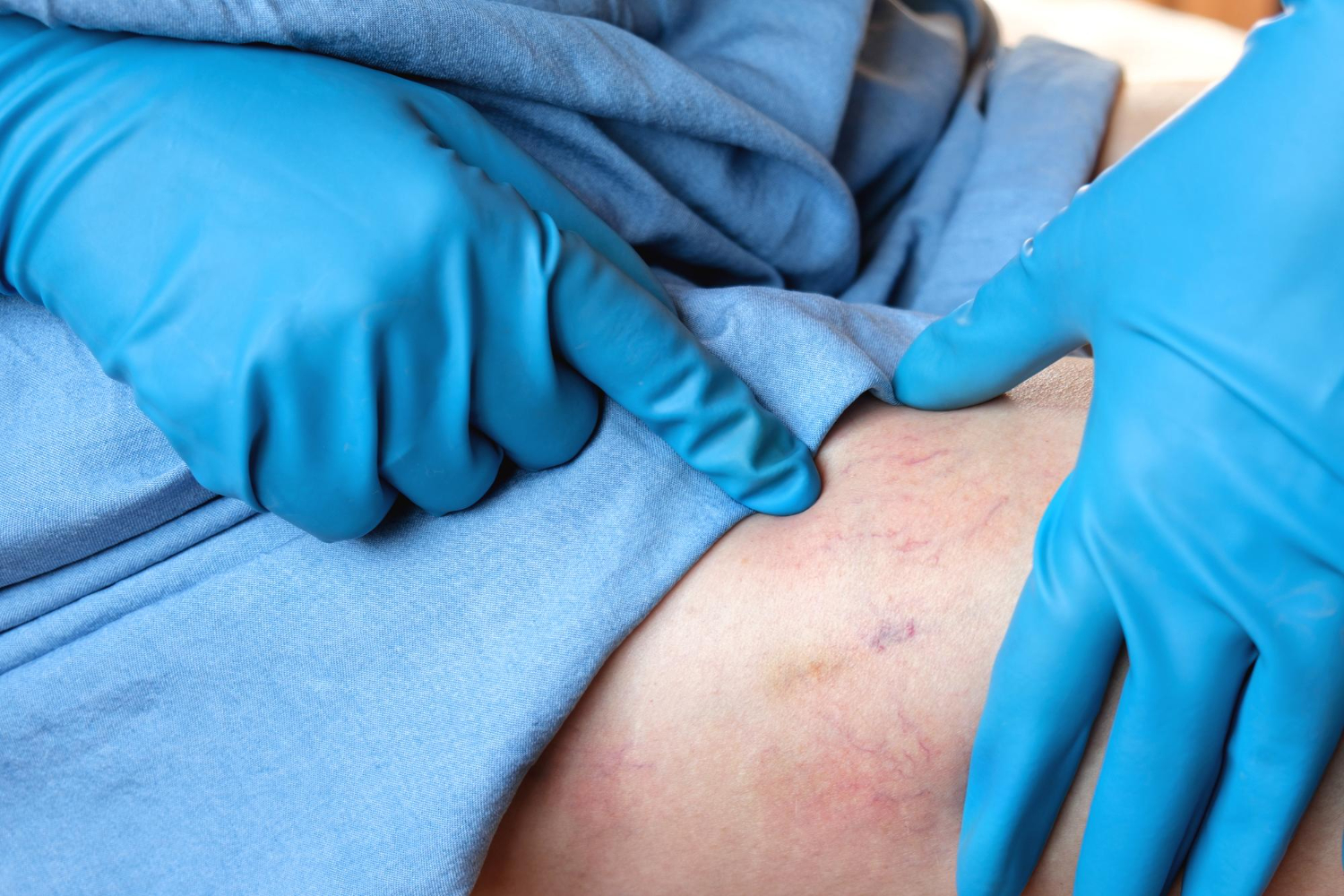
Using images from earlier scans, the surgeon finds the target veins
Specialized tools are used to close off or take out problem areas
Depending on the procedure, it might take under an hour or a bit longer
Most patients feel very little, since numbing medicine takes care of pain during surgery
At Vein and Vascular in Las Cruces, New Mexico, our vascular doctors specialize in both traditional vein surgery and minimally invasive procedures including endovenous ablation, microphlebectomy, and sclerotherapy. Most treatments are done in our outpatient surgical suite, allowing for greater comfort and minimal downtime.
The precise nature of these treatments means the surrounding tissue is protected as much as possible. The work is detailed but gentle, and most patients experience very little discomfort during the process. Recovery often begins right away once the procedure ends, which helps to get you back to your routine as soon as possible.
Right After Surgery: Quick Recovery Basics
Post-surgery care begins almost immediately. You’ll move to a quiet area where we monitor how you feel and help with any early soreness.
You’ll rest for a short time so we can check on your comfort and make sure you’re alert
Water and snacks may be offered once it’s safe to eat
A friend or family member can drive you home, since you won’t be able to drive yourself
The treated leg might feel tender or sore, but this often eases up within a day or two
Staff will be close by to monitor your first steps after surgery and provide reassurance. They will check any dressings, monitor vital signs, and ensure you are comfortable. For the rest of the day, we recommend taking it easy. Setting up a cozy spot at home ahead of time can help you settle in once you're back.
If possible, elevate your leg when sitting to further encourage blood flow and comfort. Take any medication as prescribed to reduce discomfort and swelling.
The Days That Follow: Healing at Home
Once you're home, recovery continues through small, steady steps. Paying attention to movement, clothing, and how your legs feel each day helps your body bounce back.
Start by walking a little every few hours to boost circulation
Many people need to wear compression socks that support blood flow and comfort
Avoid heavy lifting or standing too long until we say it’s okay
Keep your follow-up visits to track healing and make sure everything is on the right track
Gradual improvements can be expected with each passing day. Most people notice the treated leg feeling stronger and less achy as each day passes. Some soreness or light bruising is common but fades over time. By staying consistent with care, you help your legs heal faster and more fully.
You will get reminders about any later steps in your recovery, such as when to remove bandages, shower, or return to more physical activities. Documenting your daily experience may also help at your follow-up, making it easier for your care team to provide advice tailored to your progress.
Most importantly, remember that everyone heals at their own pace. If you have any swelling, redness, or changes that concern you, reaching out early can help you feel more confident in your recovery phase.
Moving Forward with Comfort and Confidence
Knowing what to expect during each part of leg vascular surgery makes it feel less overwhelming. When every step is explained clearly, it’s easier to move from one to the next with less worry.
Planning ahead during summer, when things tend to be a bit calmer, means your legs can feel more rested and ready before fall activities begin. Careful timing and a good understanding of what’s happening each day make a stressful time feel a little simpler, and that can make all the difference.
Taking action to address your health is a sign of strength and can inspire more confidence with every step you take after surgery. Your journey back to comfortable, healthy legs is supported by professionals every step of the way. The combination of compassionate care, a clear process, and steady improvement encourages optimism and comfort as you move into your post-surgery routine.
If you want a clearer picture of what may be developing beneath the surface, see our guide to leg vascular surgery. At Vein and Vascular, we’re here to help you make each step forward with confidence. Have questions or want to discuss next steps? Give us a call.
