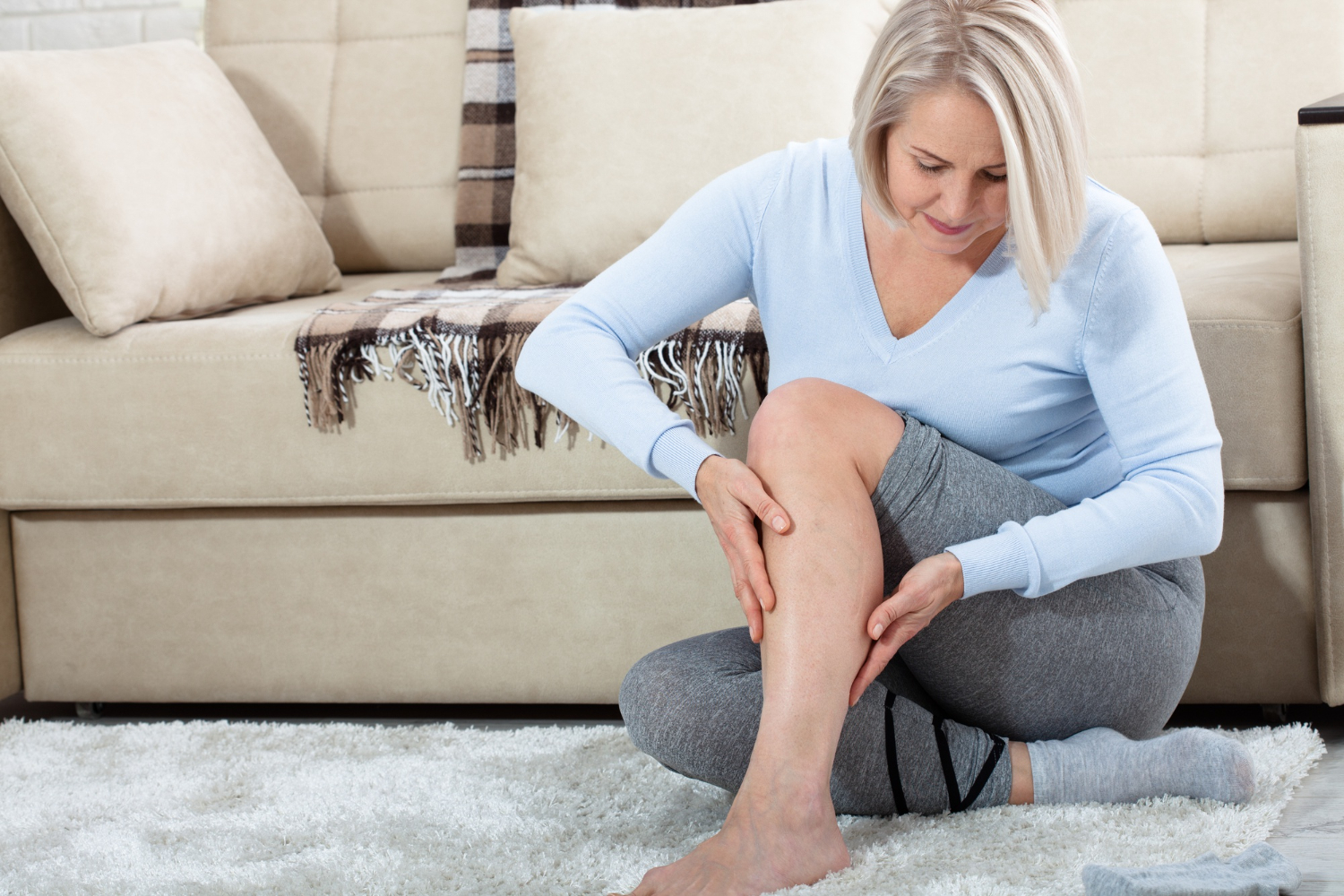
Spider Vein Treatment That Works as Season Changes
As summer winds down and cooler fall days begin, many people start paying closer attention to how their legs look and feel after months of warm-weather activity. One of the most common changes is the appearance of small, web-like veins just under the surface of the skin, also known as spider veins. After a season of shorts, travel, outdoor activities, and long days on your feet, these veins may seem more noticeable than they did before.
The shift into fall is a helpful reminder to check in on your leg health. If spider veins have become more visible or your legs have felt increasingly tired, achy, or heavy, this can be a convenient time to explore care options. Fall offers a natural transition between busy summer schedules and the colder months ahead, making it easier for many people to plan an evaluation or begin treatment.
Why the Change From Summer to Fall Can Highlight Vein Concerns
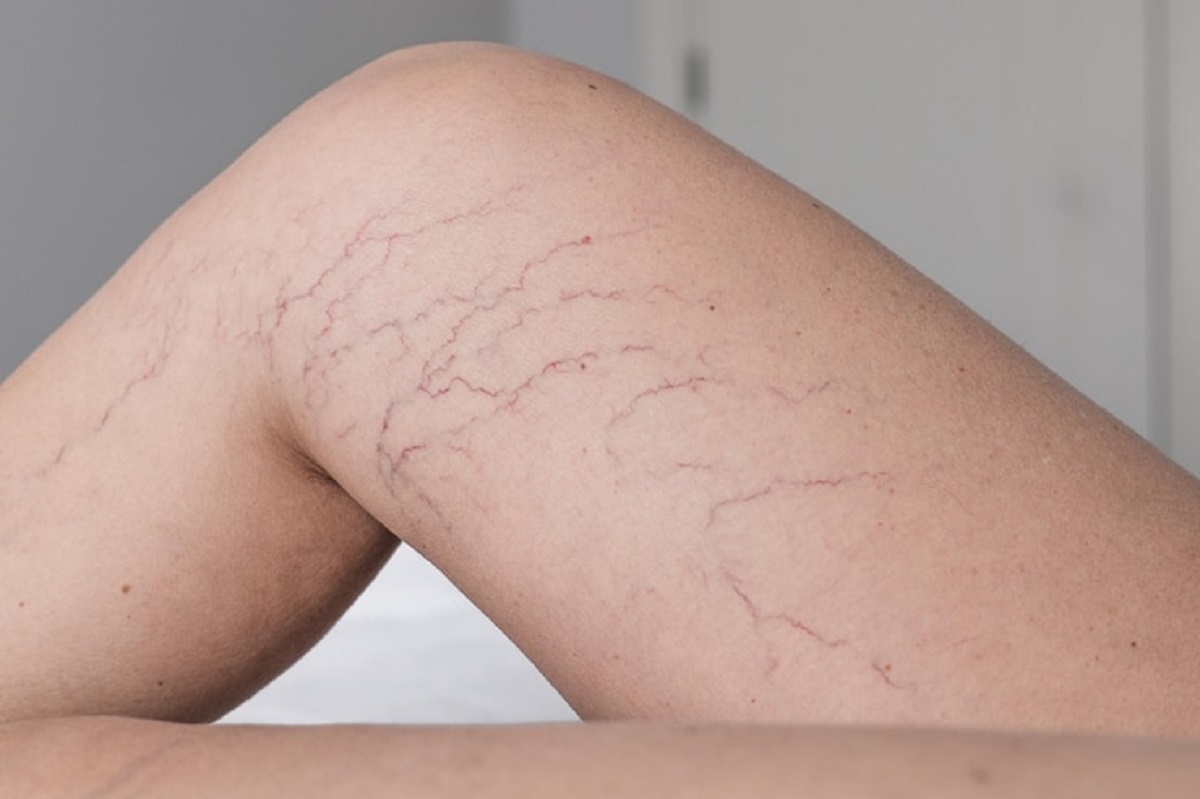
Summer often means more time outdoors, more walking, travel, events, and longer periods of standing. By the end of the season, you may be more aware of changes in your legs that were easier to overlook earlier in the year.
Warm temperatures can also make symptoms such as swelling, aching, or heaviness feel more noticeable. As the weather begins to cool, you may have a better opportunity to reflect on how your legs felt throughout the summer and whether certain symptoms have become more frequent.
A busy summer may make aching or heaviness easier to notice
Long periods of standing or walking can highlight leg discomfort
Spider veins may have become more noticeable after months of wearing shorts or lighter clothing
If your legs looked or felt different this summer, fall can be a good time to have those changes evaluated rather than waiting for symptoms to become more bothersome.
Common Symptoms That Suggest It's Time to Take a Look
Spider veins are not always just a cosmetic concern. Some people also notice symptoms that develop gradually and may be easy to blame on a busy schedule, travel, or long days on their feet.
Legs that feel tired, heavy, or achy, especially after standing or sitting for long periods
Red, blue, or purple veins that seem to be spreading or becoming more noticeable
Swelling near the ankles or lower legs that comes and goes
You don’t have to wait for discomfort to become severe before asking questions. Paying attention to changes early can help you better understand what is happening and whether treatment may be appropriate.
If you are noticing symptoms beyond visible spider veins, an evaluation can also help determine whether there may be underlying vein problems contributing to how your legs feel.
What Happens During a Spider Vein Check-Up
Taking the first step toward vein care is usually straightforward. A check-up begins with a conversation about what you have noticed, how your legs feel, and whether certain activities make symptoms better or worse.
We ask about your symptoms and when you first noticed them
We discuss your daily activity and how much time you spend sitting or standing
We may recommend additional imaging to better understand the veins beneath the skin
In some cases, a leg ultrasound may be used to evaluate blood flow and look for underlying venous reflux. Ultrasound is noninvasive and can help determine whether visible veins are simply surface concerns or whether a deeper vein issue may need to be addressed first.
At Vein and Vascular in Las Cruces, New Mexico, our board-certified specialists perform thorough vein evaluations using ultrasound and other advanced imaging when appropriate. Our clinic also offers outpatient treatment options such as sclerotherapy, which is commonly used for spider veins and smaller veins. Most major insurance plans, including Medicare and Medicaid, are accepted in the Las Cruces community and surrounding region.
Why Fall Can Be a Convenient Time for Spider Vein Treatment
Fall can be an appealing time to begin treatment because cooler temperatures often make aftercare easier to manage.
Compression stockings or other supportive garments may be recommended following certain vein treatments. These can be more comfortable to wear when temperatures are cooler compared with the hottest months of summer.
Many spider vein treatments are performed in the office with minimal disruption to your normal routine. Patients are often encouraged to walk after treatment and can typically return to many everyday activities shortly afterward, depending on their individual treatment plan.
Cooler temperatures can make compression garments more comfortable
Treatment can often be scheduled around normal work and family routines
Fall provides time for treated veins to gradually fade before the next warm-weather season
Because spider veins often improve gradually rather than disappearing overnight, beginning treatment in the fall may give your legs several months to respond before spring and summer return.
A More Comfortable Fall Can Start With a Simple Evaluation
After a busy summer, it can be easy to move leg discomfort to the bottom of your list. Fall offers a natural opportunity to slow down, pay attention to changes, and decide whether it is time to have your veins evaluated.
You do not need to make every decision at once. Simply understanding why your legs feel heavy, why swelling occurs, or why new spider veins have appeared can give you a clearer idea of your options.
A short check-in now may help you feel more comfortable during fall activities, holiday gatherings, travel, and everyday movement. It can also give you time to address vein concerns well before warmer weather returns.
Fall is often associated with changing routines and preparing for the months ahead. It can also be a practical time to make your leg health part of that plan.
As cooler days arrive, consider taking a closer look at any spider veins or leg discomfort that became more noticeable over the summer. Fall can be a convenient season to explore treatment, especially when cooler temperatures make recovery garments easier to wear and schedules may be more predictable.
We’re here at Vein and Vascular to help you better understand your symptoms and your treatment options. To learn more, start by exploring our information about spider vein treatment, then contact us to schedule your visit.
