What to Know About Spider Vein Removal Before Spring Arrives
As spring gets closer, many of us start to think ahead to warmer days, lighter clothes, and time spent outdoors. It also means bringing shorts, dresses, and skirts back into rotation, which sometimes brings questions about how our legs look and feel. One of the most common things people notice is the return of spider veins, often just under the skin on their legs or ankles.
Spider vein removal becomes a topic many ask about around this time, especially for those hoping to feel good in lighter clothing come spring. Since the results are not usually instant, winter can be a smart window to start planning. Giving your body time to heal now helps you feel ready when the weather warms up.
Why Winter Is a Good Time to Think About Your Legs

Colder months can offer a great opportunity to think ahead, especially when it comes to small changes that can leave a big impact later.
• Spider vein removal often takes a few weeks before you see the final results, and winter gives your legs time to recover more comfortably.
• Layers and long pants help keep healing skin covered, which can make post-treatment care less noticeable.
• Starting now means you are not rushing when spring arrives. It is easier to take your time, let your body rest, and return to full activity gradually.
Healing looks different for everyone, and winter's slower pace supports that adjustment in a more natural way. In fact, the chilly weather gives you a chance to focus more on rest and gentle movement, which are both beneficial during recovery. It can be comforting to know you have extra time before your skin is exposed to the sun and outdoor activities, allowing the process to unfold with less stress and pressure.
What Spider Veins Are and Why They Appear
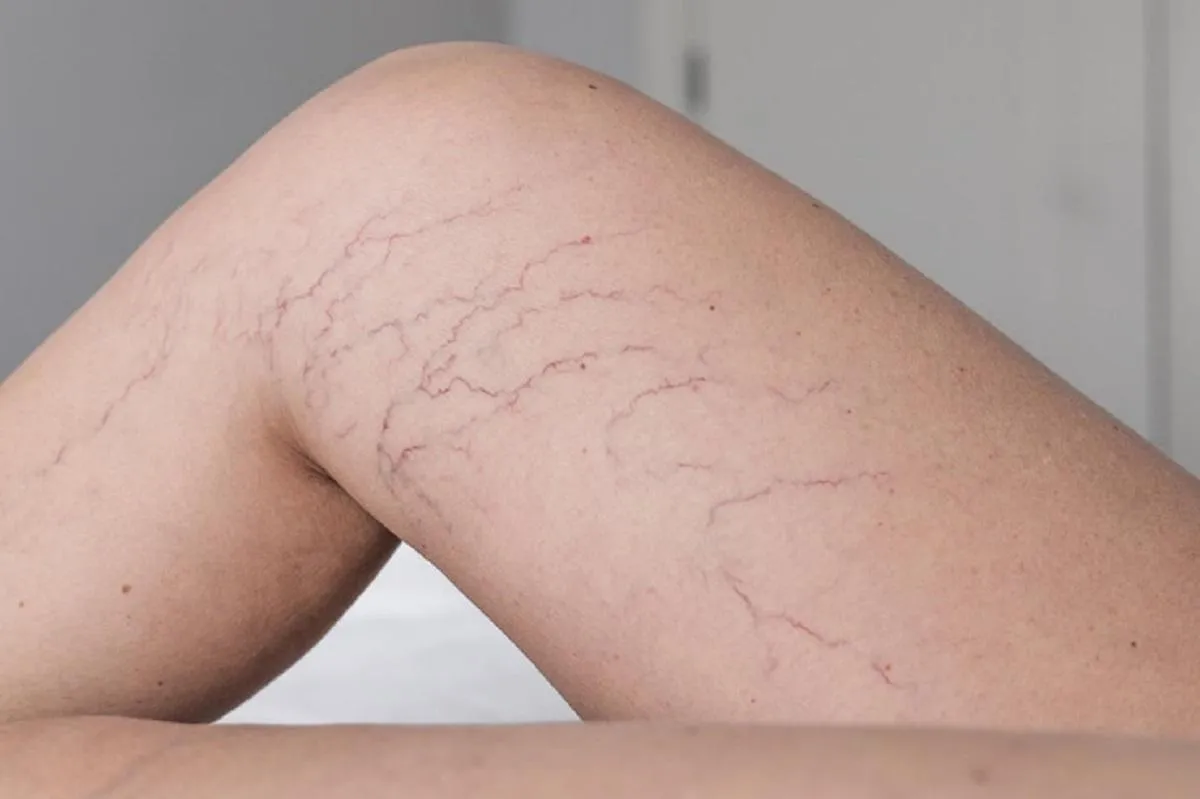
Spider veins are those thin, red or blue lines you might see close to the surface of your skin. They often spread out like tiny webs, usually around the ankles, thighs, or calves. For most people, they do not hurt, but they can sometimes cause a bit of itchiness or a light burning feeling, especially after standing for long periods.
These veins can form for several reasons:
• Family history plays a big role. If your parents had them, you might get them too.
• Jobs or daily routines that involve a lot of standing or sitting can put extra pressure on leg veins.
• Pregnancy and hormone changes may also affect how the veins flow, leading to changes in appearance.
It is also common for spider veins to emerge as we age, since valves in the veins can weaken over time and allow blood to pool. Other factors, such as frequent lifting, strenuous exercise, or previous injuries, might play a part as well, even if it takes years for the veins to actually show up. Whether it is physical discomfort or just how they look, spider veins are something many people notice more as the weather starts to shift and clothing uncovers those areas again.
What to Expect from a Spider Vein Treatment
Spider vein treatments are often simpler than people expect. Most options are done in a medical office, and many do not need any real downtime. Treatment might involve small injections that help close off the damaged veins or other methods that target them directly without needing surgery.
At Vein and Vascular in Las Cruces, New Mexico, spider vein removal typically uses sclerotherapy, a minimally invasive procedure where a solution is injected directly into the spider veins to cause them to collapse and fade over time. We perform these procedures in an outpatient setting, allowing you to return to your normal routine quickly.
Here is what most people experience:
• Treatment sessions are usually short and do not require much preparation.
• You are typically able to return to normal activities that same day or the following one, depending on the treatment type.
• Results can take some time to show, but once healed, the treated veins tend to fade or disappear from view.
Some people need more than one session, especially if there are a lot of visible veins, so starting in winter gives you more flexibility. While side effects like light bruising or soreness are possible, they usually clear up on their own with minimal care. After your appointment, it is common to see redness or slight swelling around the treatment spots, and this generally fades within a few days to a week. Patience is helpful, as fading of the veins may continue for several weeks. Most find the process much easier than expected.
How to Prep for Treatment and Support Healing
Getting ready for spider vein treatment involves just a few basic steps. The process is simple, and planning a bit can lead to a smoother experience.
• Wear loose clothing on treatment day to keep pressure off your legs.
• Drink plenty of water the days before and after your visit to help your body recover.
• After treatment, light walking is often encouraged to help improve blood flow and support proper healing.
• Try to avoid long stretches in direct sun while your skin is healing, since it can affect how the treated areas respond.
We might also give you gentle reminders to avoid really strenuous activity for a short period or to keep your legs slightly elevated when sitting, promoting circulation. You may be asked to wear compression stockings for a few days after your procedure, which helps the veins seal and reduces any lingering swelling. Following these basic instructions makes a big difference in healing and comfort.
Recovery is usually mild, but treating your legs gently during that phase can make things feel easier all around. Short walks, resting your legs, and being attentive to how your skin feels are all helpful habits as your body works through those small repairs. Always contact us if you notice anything concerning, such as unexpected swelling, pain, or prolonged redness, since we can give you peace of mind and guidance quickly.
Ready for Spring with Renewed Confidence
Choosing to address spider veins in the winter months means you give yourself the best chance for results by spring. We provide customized care for each patient, accept Medicare and most major insurance plans, and help you understand every step of the process. Whether you are preparing for shorts weather or simply want more comfort in your everyday routine, taking action now can make a positive difference in how your legs look and feel.
By the time warmer weather calls you outside again, you might find yourself wearing shorts without a second thought, walking with less discomfort, and enjoying how your legs feel. Deciding to take that first step now can help you feel better once the clothes shift and the sunshine calls.
It is reassuring to know that getting started during winter allows time for gradual improvement, instead of rushing right before spring. Within a few months, the results often become more noticeable, so there’s less worry about whether your legs will be ready when you want to enjoy outdoor activities. You might also notice an improvement in symptoms like itching or burning, which sometimes go along with spider veins.
Thinking ahead to how your legs will feel once spring arrives, winter is an ideal time to begin your process. Allowing your body time to heal now can help you enjoy smoother skin when the warmer days return. Details about your options are available on our spider vein removal page. At Vein and Vascular, we are committed to helping you feel confident and comfortable in your skin. Reach out to discuss which approach is right for you.
