Why Does My Leg Still Hurt After Vein Removal in Las Cruces
Why Does My Leg Still Hurt After Vein Removal in Las Cruces
It’s not unusual to feel some aches after leg vein removal. That bit of discomfort is often part of the healing process, especially within the first couple of weeks. But if the pain sticks around longer than you expected, it’s natural to wonder why.
We know winter in Las Cruces, New Mexico, can slow things down overall, and your body might be taking its time too. If your leg still hurts after the procedure, you're not the only one asking questions. Let’s go over a few reasons that might explain what’s happening and when it could be time to take a closer look.
Healing Takes Time (and Everyone Heals Differently)
Most people go into leg procedures thinking pain will disappear right away. That’s not always how it
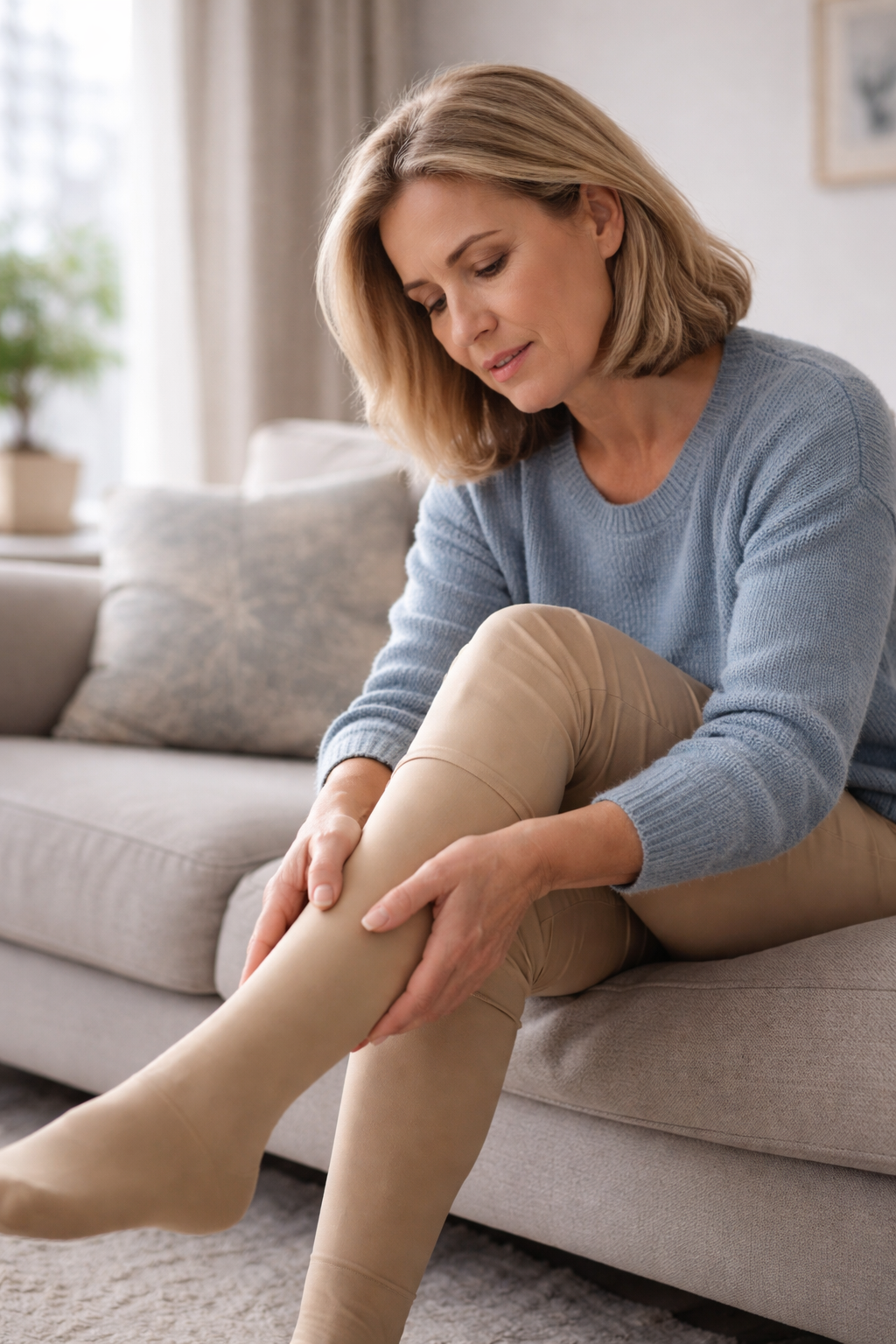
works. Everyone’s recovery timeline looks a little different.
• Some swelling and bruising may linger for a few weeks. That doesn’t always mean something is wrong.
• Your age, health, or even how often you’re on your feet can influence healing speed.
• In colder months like January, it’s easy to move less, which might slow things down.
• For patients in Las Cruces, New Mexico, tightness or soreness a few weeks in (especially if they’ve had vein issues for a while) isn’t out of the ordinary.
Your body is doing a lot behind the scenes to repair and adjust. It just might need a little more time than expected.
Possible Causes Behind the Ongoing Pain
If several weeks pass and pain is still part of your day, it may point to something more specific. A few common causes can explain lingering discomfort.
• When a vein is removed, the body reroutes blood to other nearby veins. That change can create pressure in areas that aren’t used to handling as much flow.
• Inflammation is another possibility. Sometimes the tissues around the treated vein react, a condition called phlebitis. It’s not unusual, but it can stick around for a bit.
• In less common cases, blood or fluid might get caught near the treatment site and form little bumps under the skin. These can feel tender until they settle or are treated.
Pain doesn’t always mean something went wrong, but it can be your leg’s way of asking for follow-up attention.
What’s Normal Discomfort vs What’s a Red Flag
Knowing what’s part of healing and what isn’t can make a big difference. If your pain is light and happens off and on (maybe when standing or walking a lot), that’s often normal. But other signals may point toward something that needs follow-up.
• A sharp or sudden pain that wasn’t there before could mean a vein nearby is irritated.
• If the area gets hot or red, that could be a sign of infection or inflammation.
• Swelling that increases rather than slowly fades should be checked out by a vein specialist.
We always encourage people not to push through new or worsening symptoms. It’s better to ask questions now than deal with setbacks later.
Winter Movement Habits Can Affect Recovery
January in Las Cruces, New Mexico, can make a warm blanket and a chair feel more appealing than a walk, and that’s totally understandable. Still, staying still for too long might work against healing.
• Gentle walking each day can keep blood moving and reduce stiffness.
• Sitting for long stretches may cause pressure in the legs, slowing healing or adding discomfort.
• A little stretching or light household movement helps more than most people realize.
That said, it’s just as easy to push too hard too soon. Walking is good, but trying to jump back into busy routines too quickly can stir up soreness or lead to setbacks. Finding the right pace is key.
Expert Care and Recovery Resources in Las Cruces
We specialize in minimally invasive treatments that are performed in an outpatient setting, which means most patients can return home the same day. These procedures are designed to treat vein problems like varicose veins and spider veins, common causes of ongoing leg pain. Our board-certified vein specialists offer support before, during, and after treatment, including recommendations for recovery and symptom monitoring, making sure every step supports your comfort and long-term results.
How to Follow Up the Right Way
If pain hasn’t eased or has returned after going away, it might be time for another conversation with your care provider. There’s nothing wrong with double-checking that everything’s healing the way it should.
• Don’t skip any follow-up appointments that were scheduled after the procedure. Use that time to mention what you’re feeling.
• An ultrasound may be helpful to see how the leg is responding (or to catch something early before it gets worse).
• Your provider might suggest new compression socks, a short course of medicine, or even a small tweak in daily habits based on what they find.
Pain that lingers past the expected healing window isn’t something to keep guessing about. A second look can often lead to relief.
Listening to Your Body After Vein Removal
Ongoing pain after vein removal doesn’t always mean something serious is happening. But it’s still worth paying attention to. Some soreness weeks later may be part of your body rebalancing, and sometimes it’s a quiet signal that something's off.
If you’re in Las Cruces, New Mexico, and dealing with ongoing discomfort, your leg could be asking for slower walks, more breaks, or a second visit. The sooner you check in, the sooner you’ll know whether things are right on track or if a small adjustment is needed. Taking care of vein issues is about more than just the procedure, it’s about staying tuned in as your body does its part to recover.
Support for Your Recovery Journey
Many people experience lingering pain after a vein procedure, especially during the healing period. We help patients across Las Cruces, New Mexico, and nearby communities understand what to expect after minimally invasive treatment and provide clear guidance for managing residual discomfort. If pain is ongoing, seeking timely advice can help you return to normal activities with greater confidence and comfort.
Many people experience lingering pain after a procedure, and there could be underlying reasons your leg still hurts. We’re here to make sure your recovery is on track. For more information about what to expect during and after leg vein removal, we’ve gathered helpful resources to guide your next steps. At Vein and Vascular, our team is always here to help you feel supported and confident in your healing process. If the discomfort persists, reach out to schedule a check-in with us today.
