Comparing Vein Removal Procedures Without Getting Overwhelmed
Thinking about getting a vein removal procedure can bring up a lot of questions. With so many choices out there, it’s easy to feel unsure about where to begin. Maybe your legs feel heavy or sore, or you’ve noticed veins that seem more visible than they used to be. If you’re looking into what can help, you’re not alone.
What Does a Vein Removal Procedure Actually Mean?
When we say "vein removal," it does not always mean surgery. A vein removal procedure is a way to treat problem veins that are not working right, like those that bulge or cause discomfort. These can include varicose veins, which often look raised and rope-like, or spider veins, which may be smaller and found near the surface of the skin.
These kinds of vein problems usually happen when valves inside the veins stop working the way they should. Blood can collect in the vein instead of flowing back up to the heart. That buildup can make your legs feel sore, tired, or swollen.
Vein removal can help ease those symptoms. The goal is to stop the problem vein from causing more trouble by closing it off or removing it completely. Many people are surprised to learn that some treatments only take about an hour and do not involve stitches.
Some procedures may seem intimidating at first, but learning the basics of each treatment option can offer peace of mind. Understanding the medical terms and practical steps usually helps people feel more confident about their decision. And knowing what to expect in terms of recovery can help you plan regular life activities without much interruption.
Types of Treatments and How They’re Different
There are several ways to treat problem veins, and each one works a little differently. Some are newer, simpler methods that do not use surgery at all.
Laser treatment: This method uses heat from lasers to seal off the problem vein. The body later reabsorbs it naturally. There are no cuts, and people can return to normal routines fairly quickly.
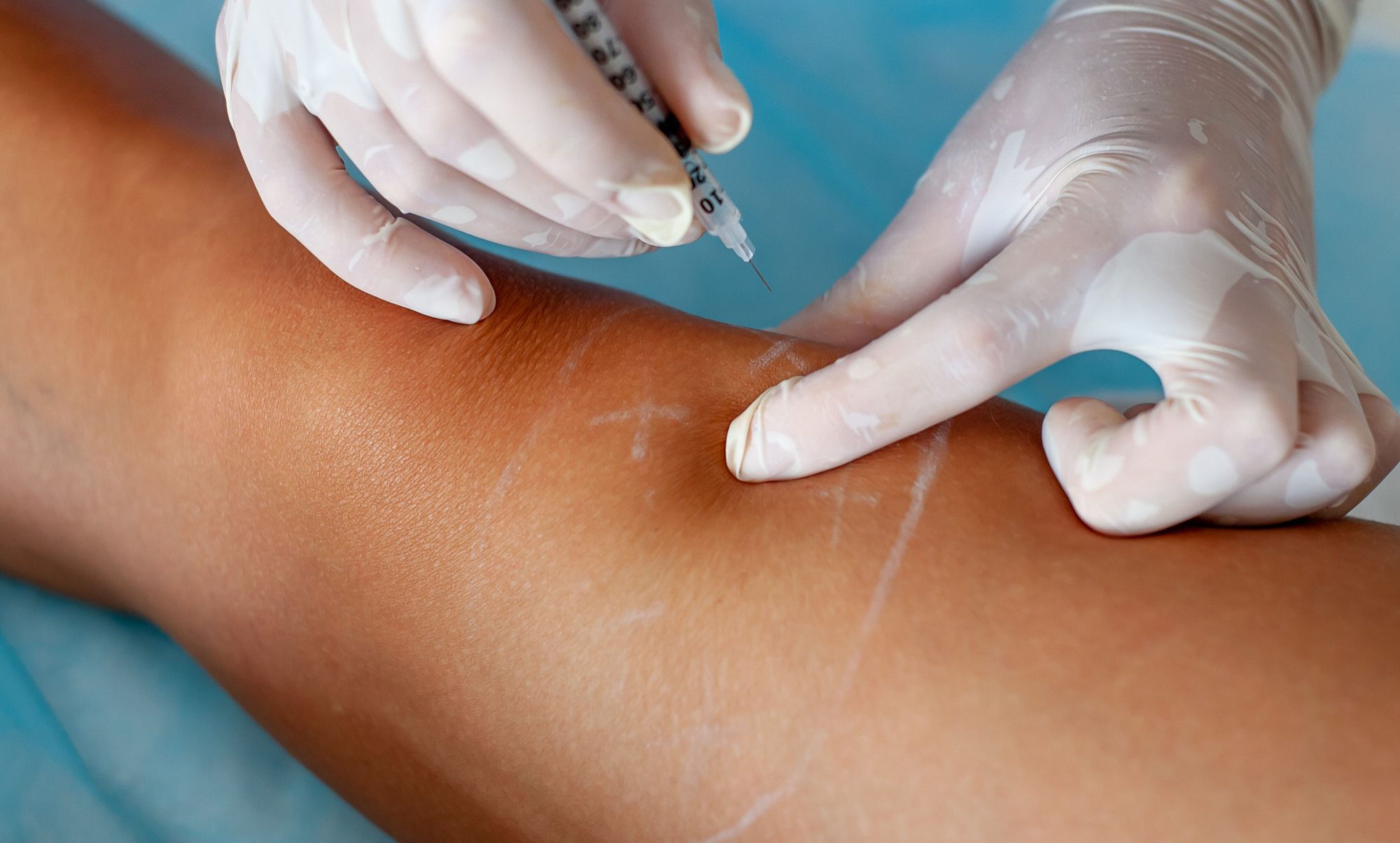
Sclerotherapy: A small needle injects a special liquid into the vein, which causes it to close. It is most often used for spider veins or small varicose veins.
Radiofrequency ablation: Like laser treatment, this method uses heat, but with sound waves from a small wire placed inside the vein.
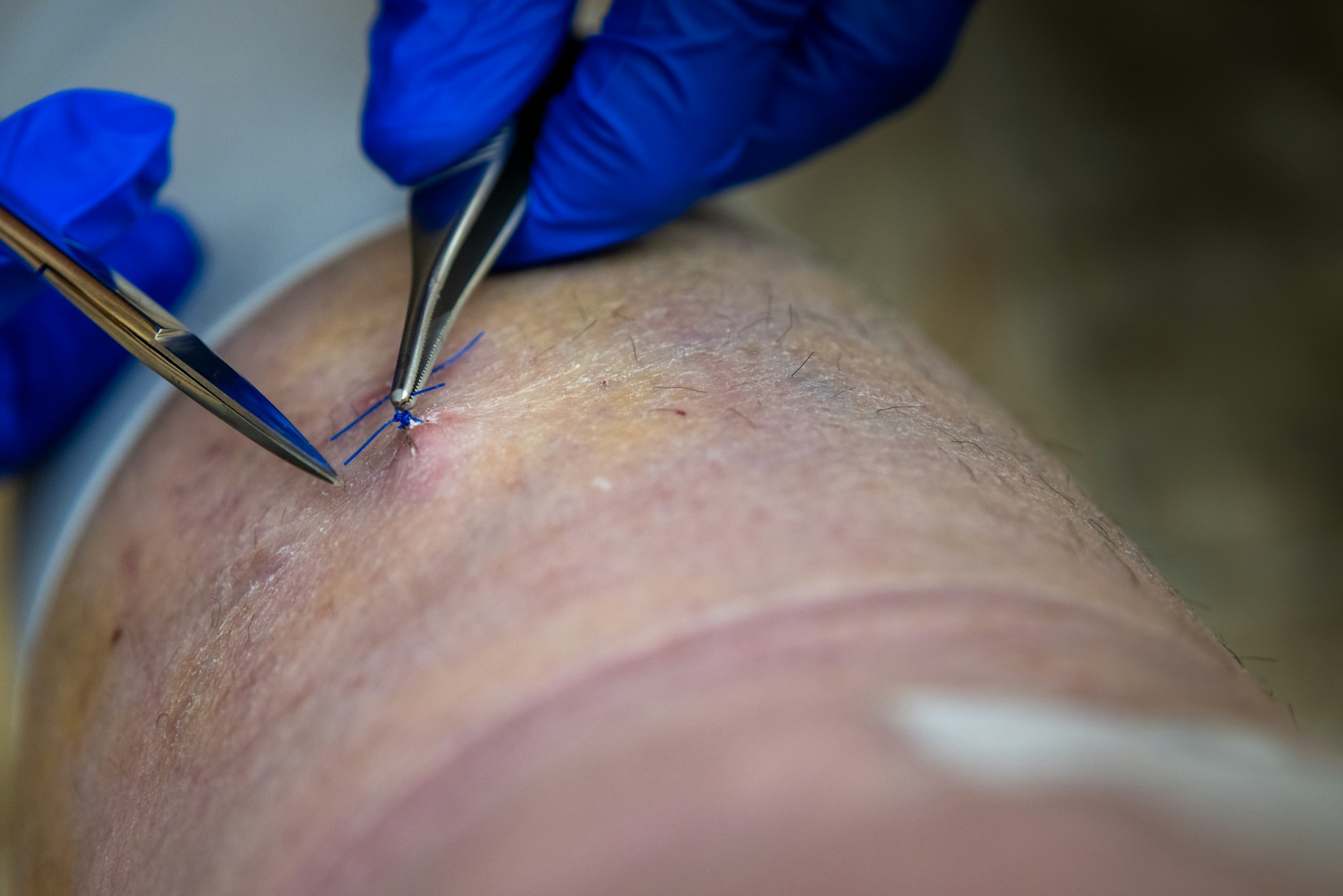
Vein stripping: This is an older surgical method usually used for larger veins. It involves physically removing the vein through small cuts in the skin. It is less common now, since many people prefer less invasive options.
At Vein and Vascular in Las Cruces, New Mexico, we provide minimally invasive treatments like sclerotherapy and radiofrequency ablation in our outpatient clinic. Most procedures require little to no downtime, allowing a quicker return to daily routines. Our board-certified providers tailor treatments to each patient’s needs, based on symptoms and vein type.
Most people can walk out of their procedure and get back to daily life with only minor changes. Some treatments may require wearing compression stockings for a few days or weeks. Thinking about comfort and time needed for daily things, like work or errands, is helpful when comparing options.
It’s also important to consider your comfort with needles, minor procedures, or short periods of taking it easy after your treatment. For some, knowing how quickly you go back to your routine is a key piece. For others, it might help to ask about common feelings or side effects in the first few days after treatment. These are points that help make a decision less daunting and more personal.
What’s Right for Me? How to Think Through the Options
Everyone’s body is different, so the right option really depends on a few things. What’s going on inside your legs, the symptoms you’re feeling, and how active you are all matter when choosing a treatment.
Do your legs feel tired, sore, or heavy after standing or sitting for a while?
Have you noticed swelling around your ankles at the end of the day?
Are your veins big, blue, or bulging or are they smaller and web-like?
Your age, your health, and how much the veins bother you also play a role. Some people want treatment for pain or heaviness. Others are more focused on how their legs look. Whatever your reason, getting the facts and hearing from someone who knows can help sort through the details.
We always recommend starting with a simple talk. You do not need to know everything, just share what you have noticed, and that can guide the rest.
Honest communication is essential during your visit, and sharing exactly how your veins make you feel or what situations bother you most can give your care team the best starting point. Sometimes, going through these points helps patients realize which symptoms affect them most and which solutions matter most. The more open you are with your concerns, the easier it is to tailor a treatment plan that matches your daily rhythm.
Avoiding Overwhelm While Planning Next Steps
When too many choices are on the table at once, it’s easy to freeze up. To keep things simple, we like to break it into small steps.
Start with the symptoms. Write down what you feel or see, even if it seems small.
Think about your schedule. Is there a time coming up when you can take it a little easier, like a long weekend or quiet month?
Be honest about what you want. Are you looking for relief from pain? Do you want your legs to look more like they used to?
It’s okay not to have all the answers. You don’t have to fix everything overnight. Sometimes, just showing up and talking through the options is a win on its own.
Letting yourself go one step at a time takes off some pressure. Questions are expected. Things might feel clearer once a professional has checked on your legs and explained what’s really going on under the skin.
Breaking things into pieces and tackling one worry at a time helps many people manage their feelings about treatment. Knowing that every question is normal and every concern matters allows people to relax a bit more as they move through their choices.
Getting Clarity Brings Relief
Once you understand what a vein removal procedure is and what it’s not, the whole idea often feels a lot less stressful. Knowing your body, your symptoms, and what’s out there makes it easier to see the path forward.
No need to rush or feel boxed in. Whether you decide to treat veins now or wait a little while, the important part is feeling supported and clear. You’re not alone in this, and when you’re ready, help is nearby to guide the next step.
Taking time to ask your questions helps boost your confidence. Being patient with yourself, allowing space for uncertainty, and knowing support is close by can make a big difference during the whole process. Whether you choose to move forward soon or want to wait and think, you’re doing right by yourself by seeking information and care.
Taking the next step in your vein health plan can feel overwhelming, but at Vein and Vascular, we make it easier by offering care that fits your life. When you're considering a vein removal procedure, our team is here to answer your questions and guide you through what to expect, including how the procedure works and what recovery involves. You can schedule a time that's convenient for you, and we can help you move forward with confidence.
